
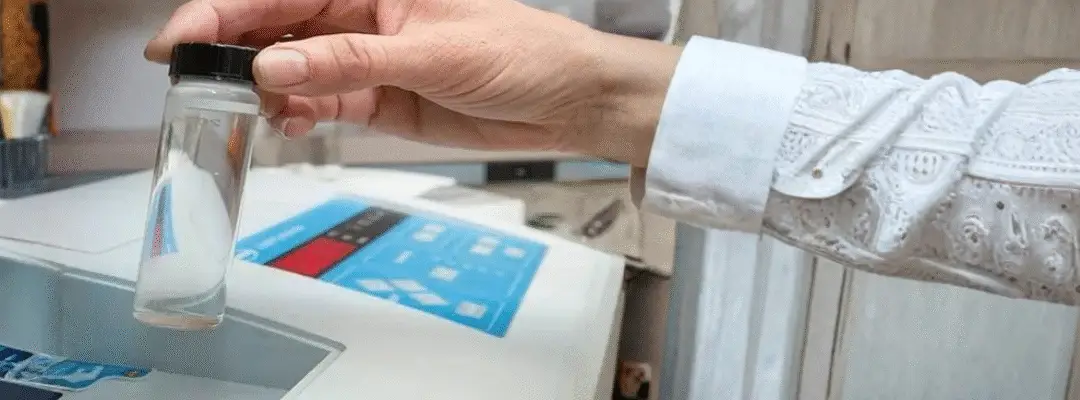
The Complete Guide to Well Water Testing and Safety
For millions of homeowners, a private well is more than just a water source—it is a symbol of self-sufficiency. However, with the freedom of owning your own water supply comes a critical responsibility: the safety and quality of the water flowing into your home. Unlike municipal water systems, which are monitored by local governments, private well owners are solely responsible for ensuring their water is safe to drink.
Understanding how to manage this resource is essential for your family’s health and the longevity of your home’s infrastructure. This guide covers the fundamentals of well water safety, from knowing when to test to understanding what you are testing for.
Why Is Annual Well Water Testing Non-Negotiable?
Many homeowners assume that because their water tastes fine or has been clear for years, it must be safe. Unfortunately, some of the most dangerous water contaminants—such as arsenic, nitrates, and certain bacteria—are odorless, colorless, and tasteless.
Regular water testing acts as a “health checkup” for your property. By establishing a baseline of your water quality, you can identify subtle shifts that might indicate a problem. Whether it is an aging well casing or environmental changes like heavy flooding or nearby industrial activity, proactive testing allows you to address issues before they become health hazards.
When Should You Test?
While an annual test is the gold standard for most well owners, there are specific circumstances that demand immediate attention:
- Change in Water Quality: Any sudden change in taste, odor, or color.
- Life Events: If you are expecting a baby, have an infant in the home, or have household members with compromised immune systems.
- System Maintenance: After any repairs to your well pump, casing, or plumbing system.
- Extreme Weather: Following flooding or heavy storms that may have compromised the surface seal of your well.
- New Property: If you have just purchased a home, never rely on past test results. Always commission an independent, professional assessment.
Understanding Your Water’s Chemistry
When you work with a professional lab, your results will typically break down into several key categories. Knowing what these mean will help you better understand the services required to keep your system in top shape.
1. Microbiological Contaminants
Tests for coliform bacteria and E. coli are essential. The presence of these organisms is a red flag, often indicating that surface water or sewage is infiltrating your well. According to the Environmental Protection Agency (EPA), these should be the first things you test for, as they are direct indicators of sanitation failure.
2. Inorganic Chemicals
This category includes nitrates, nitrites, and heavy metals like lead, copper, and arsenic. Nitrates, often originating from agricultural runoff or septic systems, are a significant health concern for infants and pregnant women. Metals often leach from plumbing materials if your water’s pH is too low (acidic).
3. Physical Parameters
These include pH, hardness, and Total Dissolved Solids (TDS). While not always “toxic,” high levels of minerals can cause “hard water” issues—like scale buildup in pipes or stained fixtures—which can lead to expensive plumbing repairs down the road.
Maintaining Your Well’s Integrity
Testing is only half the battle; the physical maintenance of your well is just as important. A well-constructed and well-maintained system is much less likely to become contaminated.
- Protect the Wellhead: Ensure the top of your well casing is at least 12 inches above the ground and is securely capped.
- Mind Your Zone: Keep chemicals, fertilizers, pesticides, and pet waste at least 100 feet away from your well.
- Slope for Drainage: The ground around your well should slope away from the casing to prevent surface water from pooling and seeping into your groundwater supply.
- Stay Compliant: Familiarize yourself with local compliance and standards for well owners in your area, as these regulations can change based on regional groundwater conditions.
Why Professional Lab Testing Outperforms DIY Kits
It is tempting to grab a generic test kit from a hardware store to save time. However, for a private well, precision is critical. Professional, certified laboratories provide:
- Comprehensive Analysis: They check for a wider array of contaminants that simple color-changing strips miss.
- Expert Interpretation: A lab doesn’t just give you a list of numbers; they help you interpret what those results mean for your specific local water conditions.
- Regulatory Reliability: If you ever need to prove water safety for a real estate transaction or insurance claim, a professional report from a certified lab is the only documentation that carries weight.
Taking the Next Step
Managing your well doesn’t have to be overwhelming. By scheduling a professional test once a year, you stay in control of your home’s environment and protect your family from the risks of “silent” contamination.
If you are noticing changes in your water quality, or if it has been more than a year since your last test, it is time to take action. You can browse our FAQ page for common questions about the testing process or contact our team today to speak with an expert about your well system. Staying proactive is the most effective way to ensure your water remains a safe, reliable resource for years to come.